Humidity Control in Textile Manufacturing: A Practical Guide
Rishan International August 26, 2026
Relative humidity has an outsized effect on textile production quality that many facilities underestimate. Spinning and weaving both perform best in a fairly narrow humidity band — usually 60-70% RH depending on the fiber — and drifting outside that range shows up as real production losses.
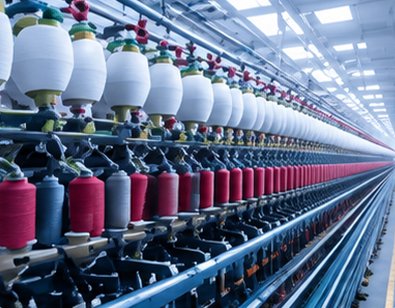
When humidity drops too low, static builds up in synthetic and blended yarns, causing fly and breakage on the spinning floor. When it climbs too high, natural fibers absorb moisture and swell, leading to inconsistent tension and fabric defects.
The fix is rarely a single machine — it's usually a combination of industrial humidifiers to add moisture during dry months and dehumidifiers to pull it back down during the monsoon season, tied together with a facility-wide humidistat strategy rather than spot units scattered around the floor.
We've commissioned humidity control systems for several spinning mills across Bangladesh, and the pattern is consistent: facilities that actively manage RH see fewer quality rejections and noticeably less downtime from yarn breakage.